Healthy Travel Tips: How to Feel Your Best While Away From Home

As the school year wraps up and summer travel ramps up, many of us are looking forward to vacations, weddings, family visits, and weekend getaways. For my family, it feels like everyone decided to get married this spring. We're traveling for three weddings this month alone! While travel can be exciting and restorative, it can also throw a wrench into the routines that help us feel our best.
One of the topics that frequently comes up with my patients is how difficult it can be to manage symptoms while traveling. Whether you're dealing with pelvic floor dysfunction, low back pain, constipation, or simply feeling run down, stepping outside of your normal routine can have a noticeable impact on your body.
Travel often disrupts our hydration habits, nutrition, sleep schedules, and exercise routines, all of which play a significant role in how we feel day to day. The good news? You don't need a perfect routine to stay healthy while traveling. A few simple strategies can help you maintain your energy, support your recovery, and enjoy your trip more.
Here are the four habits I prioritize whenever I'm on the road.
1. Prioritize Hydration

If you know me, you know I'm rarely seen without a water bottle in hand.
Hydration is one of the simplest and most effective ways to support your body while traveling. Air travel, changes in routine, increased activity levels, and even warmer weather can all contribute to dehydration. For many people, inadequate hydration is also a major contributor to the dreaded "travel bowel" - constipation that seems to appear the moment you leave home.
I generally recommend aiming for at least 90 ounces of water per day, though your needs may vary based on your body size, activity level, and environment. If you're flying, make hydration a priority before, during, and after your flight.
A simple tip: bring a reusable water bottle everywhere you go. Having water readily available makes it much easier to stay consistent throughout the day.
2. Continue Prioritizing Fiber and Protein
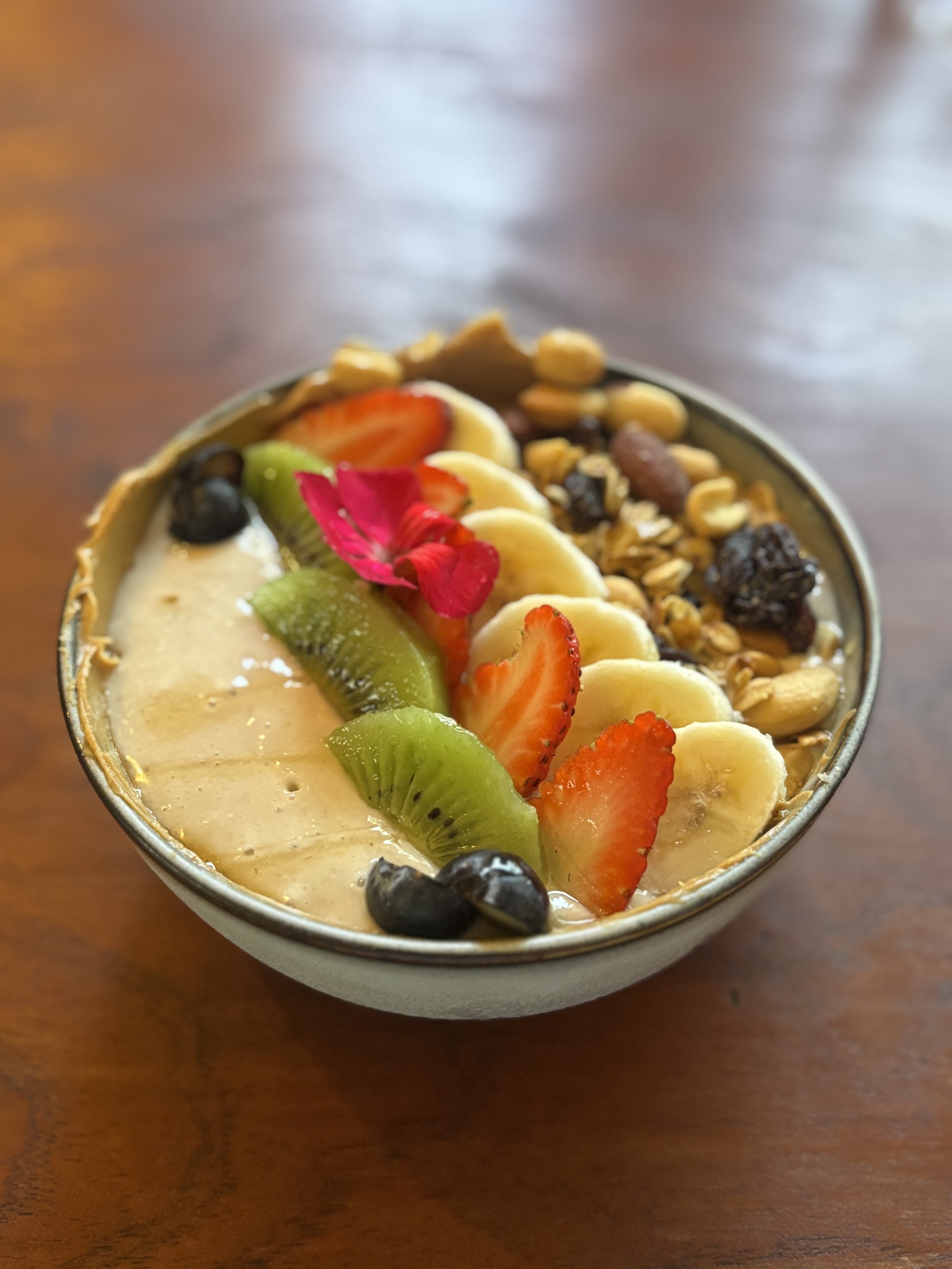
One of the best parts of traveling is experiencing new foods and local restaurants. I love trying dishes that I can't get at home, and I don't believe vacations should be spent obsessing over every meal.
That said, it's easy to go several days without eating enough fruits, vegetables, protein, or fiber, and your body will often let you know.
My personal strategy is to focus on nutrient-dense choices earlier in the day. I try to include fruits, vegetables, and protein at breakfast and lunch so I can enjoy dinner with more flexibility. If I'm staying somewhere for several days, I'll often stop at a grocery store shortly after arriving to pick up produce, yogurt, protein-rich snacks, and other easy staples.
You don't need to eat perfectly on vacation, but continuing to prioritize fiber and protein can help support digestion, energy levels, recovery, and satiety.
3. Protect Your Sleep When Possible
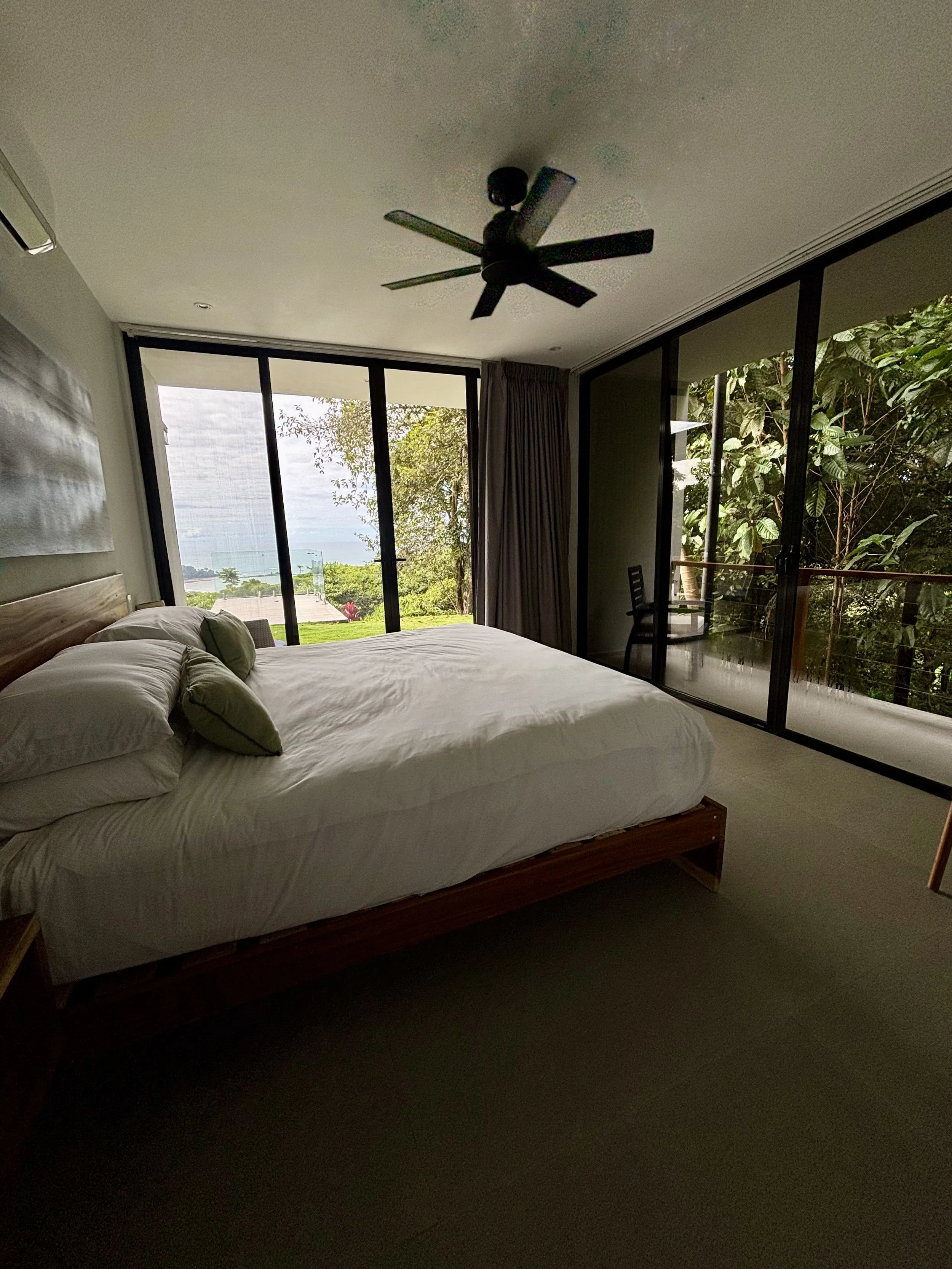
Travel and sleep don't always go hand in hand. Between early flights, time zone changes, late dinners, and packed itineraries, getting quality sleep can be challenging.
However, sleep remains one of the most powerful recovery tools available to us.
While your schedule may not be perfect, aim for consistency whenever possible. Try to maintain a similar bedtime and wake time, limit excessive sleep deprivation, and listen to your body's cues.
If you feel unusually sore, fatigued, irritable, or symptomatic during a trip, the answer might not be another cup of coffee or a tougher workout, it might simply be more sleep.
4. Keep Moving

As I often tell my patients, exercise is medicine.
Your regular workout routine may not be realistic while traveling, and that's okay. Movement doesn't have to look exactly the same as it does at home to provide benefits.
Travel can actually create opportunities to move in new and enjoyable ways. Consider:
Exploring a city on foot
Going for a morning run in a new neighborhood
Visiting a local gym or fitness studio
Walking to restaurants or attractions when possible
Taking advantage of hotel fitness facilities
Incorporating short bodyweight workouts into your day
Rather than focusing on what you're missing, focus on the movement opportunities available to you. A little movement often goes a long way toward helping your body feel better.
Progress Over Perfection
One of the biggest mistakes I see people make is assuming that if they can't do everything perfectly while traveling, there's no point in trying at all.
In reality, maintaining even one or two healthy habits can make a meaningful difference in how you feel.
If prioritizing hydration, nutrition, sleep, and movement all at once feels overwhelming, start with the area that would have the biggest impact for you. Small, consistent actions are often more effective than attempting a complete overhaul.
Vacations and travel should be opportunities to enjoy life, connect with loved ones, and create new experiences. Not return home feeling like you need another vacation to recover.
By prioritizing hydration, nourishing foods, movement, and sleep, you can support your health while still enjoying everything your travels have to offer.